Intrinsic ageing (or aging), often referred to as chronological or natural ageing, is something we all go through. It’s a natural process that happens inside our bodies as we grow older.
Unlike the damage caused by sun exposure, pollution, or poor lifestyle choices, intrinsic ageing is driven by our genetics and internal processes. While we can’t stop it, understanding what’s happening can help us take better care of ourselves and even soften some of its effects.
What is Intrinsic Ageing?
Think of intrinsic ageing as your body’s built-in clock. It’s the gradual slowdown of the systems that keep us looking and feeling youthful. This process kicks off in our mid-20s, though you probably won’t notice any big changes until years later.
What causes it? Well, it’s mostly about your biology. Over time, our bodies produce less collagen and elastin—the proteins that give our skin its strength and ability to bounce back. This decline, combined with other internal changes, sets the stage for what we know as “ageing.”
Key Signs of Intrinsic Ageing
You might not notice it at first, but intrinsic ageing brings some pretty common changes, especially to our skin. Here are the telltale signs:
- Fine wrinkles: As collagen and elastin decline, our skin loses its bounce, and fine lines start to appear.
- Thin, delicate skin: With less structural support, the skin becomes thinner and more fragile.
- Hollowed features: The fat beneath our skin decreases, leading to hollow cheeks and sagging.
- Dryness: Skin loses its ability to hold moisture, often leading to itching or flakiness.
- Hair changes: Grey hairs, thinning, and even some unwanted hair growth can make an appearance.
- Brittle nails: Nails may thin out, develop ridges, or become more prone to breaking.
- Less sweat: The skin’s ability to cool itself through sweat also declines. You wouldn’t think this is the case because, if you’ve reached menopause, you’ll have experienced hot flashes and night sweats. But, as we age our body is unable to sweat sufficiently to – wait for it – “cool off”, and perhaps the reason for the 3 AM night sweat!
These changes are natural, but they’re also influenced by several factors. Let’s break those down.
Factors Influencing Intrinsic Ageing
Intrinsic ageing is shaped by four main elements: ethnicity, anatomical differences, hormones, and time itself.
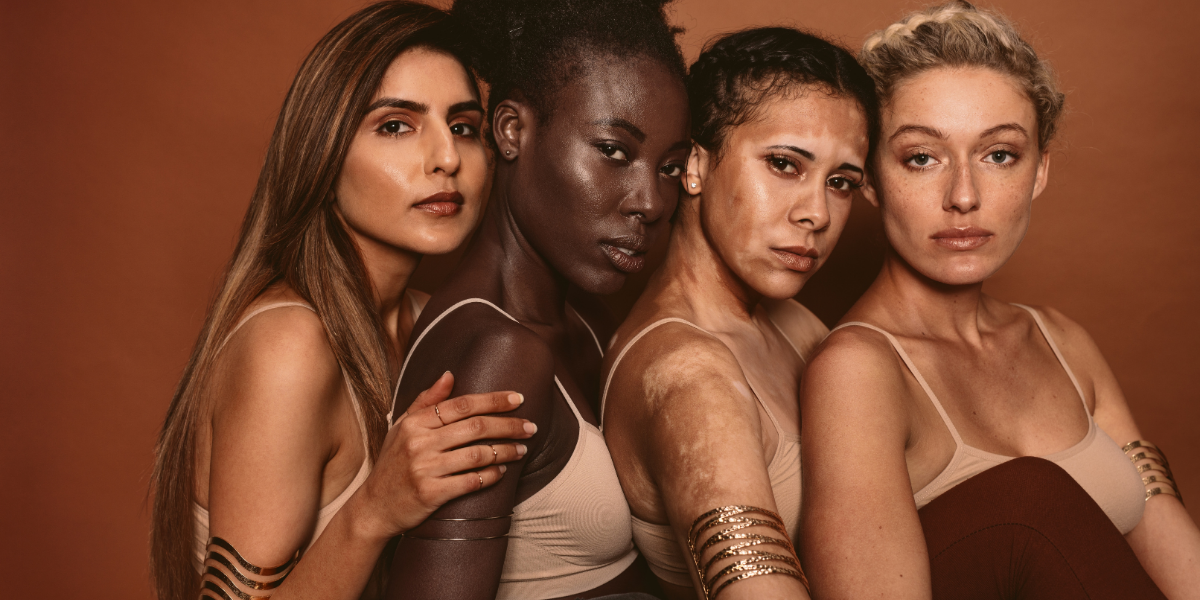
1. Ethnicity
Did you know that your skin tone can play a big role in how you age? It’s true! For example:
Darker skin tones tend to age more gracefully because higher levels of melanin provide natural protection against UV rays. This means fewer wrinkles and slower visible ageing.
Lighter skin tones are more vulnerable to UV damage, even in areas that aren’t exposed to the sun. This often leads to earlier signs of ageing.
Research has shown that darker-tone skin tends to be more compact and contains more lipids, which helps it resist ageing. Similarly, olive/middle-tone skin often ages slower and with less severity compared to light-tone skin.
2. Anatomical Variations
Have you noticed how different parts of your body seem to age at different rates? That’s because anatomy matters! Here are some examples:
- Skin thickness: Skin varies across your body, from super-thin on your eyelids to thick and tough on your feet. Thinner areas tend to show signs of ageing sooner.
- Blood flow: Areas like your lips and nasal tip, which have a lot of blood flow, experience a more noticeable decline in circulation as you age.
- Touch and sensation: As we age, some areas—like the cheeks—become less sensitive, while others may retain their sensory abilities longer.
These differences mean that ageing isn’t uniform, even across your own body.
3. Hormones
Hormones are the body’s messengers, and they play a huge role in how we age. Let’s look at some key players:
- Oestrogen: This hormone keeps skin plump, hydrated, and firm by boosting collagen production. As oestrogen (or estrogen) levels drop, especially during menopause, skin often becomes thinner, drier, and more prone to wrinkles.
- Testosterone: This hormone helps regulate oil production. Men generally see ageing signs later because testosterone levels decline more gradually. Imbalances, however, can cause issues like oily skin or adult acne.
- Thyroid hormones: These hormones affect skin texture and moisture. Too much thyroid activity can make skin sweaty and flushed, while too little can cause dryness and coarseness.
Hormonal changes throughout life—from puberty to menopause—all leave their mark on our skin.
4. Time
Of course, we can’t forget about time. As the years pass, our bodies naturally slow down:
- Collagen loss: This leads to sagging and wrinkles as the skin’s support structure weakens.
- Slower cell turnover: Dead skin cells stick around longer, making the skin look dull and uneven.
- Fat redistribution: Fat under the skin shifts and diminishes, especially in the face, causing hollow areas and sagging.
Most of these changes happen deep in the dermis, the middle layer of skin, which can lose up to 80% of its thickness over time.
Managing the Effects of Intrinsic Ageing
Here’s the good news: while we can’t stop intrinsic ageing, there’s plenty we can do to manage it. Let’s talk strategies:
- Hydrate, hydrate, hydrate: Moisturisers are your best friend. Look for products with ingredients like hyaluronic acid or lactic acid to lock in moisture and improve texture.
- Exfoliate regularly: Gentle exfoliation helps shed dead skin cells, boosting cell turnover and revealing fresher skin. If you use a warm facecloth to wipe off excess soap after cleansing your face this would be good. There’s no need for sandpaper. Also, consider using a skin polish once or twice a month during your Sunday Skincare treat.
- Eat for your skin: A balanced diet packed with antioxidants like vitamins C and E can do wonders for your skin’s health. Avoid refined sugars – they crank up our inner heat, and remember we can’t sweat enough to “cool us down”.
- Consider hormone therapy: For women experiencing post-menopausal changes, hormone replacement therapy (HRT) might be an option to discuss with a doctor.
- Know your skin type: Tailor your skincare routine to your unique needs, including considerations for your ethnicity and specific concerns.
A Holistic Perspective on Intrinsic Ageing
Intrinsic ageing is just one piece of the puzzle. Most visible signs of ageing come from external factors like sun damage, smoking, and poor diet. By combining good skincare habits, a healthy lifestyle, and a better understanding of your skin’s unique needs, you can age beautifully and confidently.
For those (of us) in the skincare industry, this is an important takeaway. By addressing both intrinsic and extrinsic ageing, we can create tailored products and treatments that truly make a difference. Whether it’s helping our clients choose the right moisturiser or educating clients about the role of hormones, there’s so much value in taking a thoughtful approach.
Embrace the Journey
Ageing is a natural, beautiful process—a testament to a life well-lived. Instead of fearing it, let’s embrace it with open arms and the right tools. By understanding intrinsic ageing and giving our bodies the care they deserve, we can make the journey through time a graceful and fulfilling one.
References
Book, Journal & Article credits: Herb & Hedgerow Ltd. 2016. Intrinsic Ageing.
AI credits: OpenAI. (2025). ChatGPT [Large language model]. https://chatgpt.com. Google Gemini 1.5 Flash. https://gemini.google.com.
Image credits: http://canva.com.