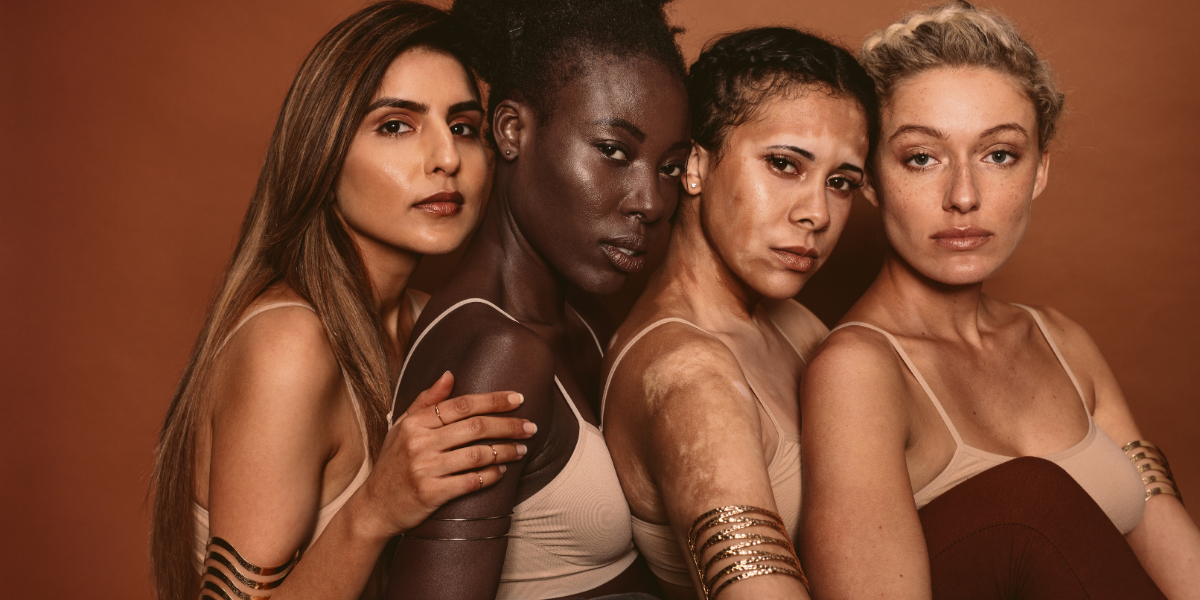
Did you know that only 3-15% of ageing skin is caused by intrinsic factors? The other 85-97% we can do something about? So, what are the things we can do?
Our skin, the body’s largest organ, reflects the passage of time. Understanding the mechanisms of skin ageing can empower us to make informed choices about skincare and overall health. Here we dive into the key aspects of dermal ageing and how to combat it effectively.
The Skin Ageing Process – A Complex Symphony
Let’s start by explaining a little bit about how our skin ages.
As we journey through life, our skin tells a unique story. Just like the seasons change, our skin undergoes a natural transformation, reflecting the passage of time. Understanding this process is key to embracing the ageing journey gracefully and proactively addressing the changes that occur.
Our skin is a dynamic organ, constantly renewing itself. However, this process slows down as we age. Think of it as a symphony where the tempo gradually decreases. As we age, our skin’s ability to produce collagen and elastin, two building blocks of youth, diminishes, thus losing firmness and elasticity.
Signs and Causes of Skin Ageing
Ageing (or aging) manifests in the skin as dryness, thinning, fragility, wrinkles, and sagging. These changes result from the degradation of connective tissues like collagen, elastin, and hyaluronic acid. While intrinsic factors like genetics play a minor role (3–15%), extrinsic factors such as UV exposure, smoking, and poor diet are the primary culprits.
The Role of Free Radicals and Oxidative Stress
Free radicals, unstable molecules formed by environmental stressors and normal bodily processes, can damage skin cells through oxidative stress. This accelerates ageing by altering DNA, proteins, and cellular structures. Antioxidants play a crucial role in neutralizing these radicals, highlighting the importance of a diet rich in protective nutrients.
Understanding Connective Tissue Breakdown
The gradual loss of collagen (up to 70% of skin’s dry mass), elastin, and hyaluronic acid contribute to visible ageing. Collagen provides strength, elastin ensures elasticity and hyaluronic acid keeps skin hydrated. Their decline results in wrinkles, reduced elasticity, and dryness. Effective skincare formulations aim to replenish these components.
Ageing Skin Manifests in Various Ways
There are several signs that our skin has started to age:
- Wrinkles and Fine Lines – these are the most visible signs of ageing, caused by a breakdown of collagen and elastin.
- Loss of Firmness and Elasticity – the skin loses its plumpness and starts to sag due to decreased collagen production.
- Dryness – the skin’s natural oil production decreases, leading to dryness, itchiness, and increased sensitivity.
- Pigmentation – sun exposure and hormonal changes can lead to the development of age spots, freckles, and uneven skin tone.
- Loss of Volume – the facial fat pads that provide structure to the face begin to diminish, resulting in a hollow appearance.
- Rough Texture – the skin may feel rougher and less smooth due to a decrease in cell turnover.
Two Main Causes of Ageing
Ageing skin is influenced by a combination of intrinsic and extrinsic factors.
Intrinsic Ageing (3-15%)
Intrinsic ageing is the natural, chronological ageing process. It’s like the steady ticking of an internal clock, influencing skin changes regardless of lifestyle.
Extrinsic Ageing (85-97%)
These are the things we can do something about. Extrinsic ageing is primarily caused by sun exposure, environment and other external factors like diet and lifestyle.
Three-Step Strategy for Preventing Extrinsic Skin Ageing
- Primary Prevention: Minimize sun exposure and use sunscreen to protect against photo-ageing.
- Secondary Prevention: Adopt a healthy lifestyle by eating a balanced diet, avoiding refined sugars, smoking and alcohol, and getting adequate sleep and fresh air.
- Tertiary Prevention: Use anti-ageing skincare products, such as those enriched with dermo-cosmetic substances and cosmeceuticals, to maintain skin health.
Prioritise Sun Protection
- The South African sun can be particularly harsh. Consider wearing protective clothing, wide-brimmed hats, and sunglasses to shield your skin from UV rays. Use a skincare product that helps protect your skin from sun damage, like our Restoring Anti-Ageing Serum.
Avoid Foods with Refined Sugars
- I know it’s hard, but really we need to stay away from sweets, desserts, cakes, sauces and toppings made with refined sugars. Choose low-carb or banting options.
- Jackson’s in Bryanston and Kyalami have delicious protein cakes when you feel like a treat. And, I’m sure there are other health shops and deli’s around the country with similar treats.
Stay Hydrated
- The climate in many parts of South Africa can be very dry, so staying hydrated is crucial. Drink plenty of water throughout the day to keep your skin hydrated and plump. Incorporate water-rich foods like fruits and vegetables into your diet.
Moisturise Effectively
- To combat the drying effects of the South African climate, use a rich, hydrating moisturiser. Look for products containing humectants like hyaluronic acid, glycerine, and natural oils like jojoba or marula oil, which are particularly effective in locking in moisture. Be aware that marula oil’s comedogenic rating is 3.5 – which means a 70% chance of causing spots/ blemishes, especially if used on your face.
Use Antioxidant-Rich Skincare
- The high UV index and pollution in some areas can contribute to oxidative stress on your skin. Incorporate antioxidant-rich products, such as serums with Vitamins C, B3 and E, to help protect your skin from free radical damage.
- Our Restoring Anti-Ageing Serum is very high in antioxidants and can help you with this.
What now?
Understanding the ageing process is the first step towards embracing it gracefully. By incorporating a healthy lifestyle – including a balanced diet, good lifestyle choices, and adequate hydration – and protecting your skin from the sun, you can minimize the impact of extrinsic ageing and maintain healthy, radiant skin at every stage of life.
If you want to learn more about specific anti-ageing skincare solutions, stay tuned for our next blog post. Also, visit our Restoring Anti-Ageing Serum page now, to discover the benefits of this amazing product, information on each specific ingredient included, and testimonials from our customers.
References
Herb & Hedgerow Ltd. 2016. Physiology of Dermal Ageing
Conversations with ChatGPT on 01 September 2024
Conversation with Gemini on 15 January 2025
Photo credit to Pexels.com