Emollients are a group of ingredients that function as softeners and soothers for dry, irritated skin. They make the outer layer of the skin more pliant by increasing hydration and help prevent water loss.
The word “emollient” is derived from the Latin verb mollire, to soften.
An emollient is a powerful tool for combating various skin conditions caused by dryness, including eczema, psoriasis, and even diabetic skin issues. They can also soothe irritation from factors like frequent handwashing, harsh chemicals, or sun exposure.
How do emollients work?
Emollients work by filling the gaps between your skin cells with fatty substances, creating a smoother surface and preventing water loss. This is particularly helpful for dry skin, which lacks moisture and appears flaky or cracked.
They come in various forms, with some acting as occlusive agents. These create a thin oily film that traps moisture in your skin, keeping it hydrated for longer.
Where are emollients found?
Emollients can be found in skincare ingredients, like:
- Plant butters (Bacuri, Cocoa, Illipe, Kombo, Kpangnan, Mafura, Mango, Murumuru, Tucuma, and Ucuuba)
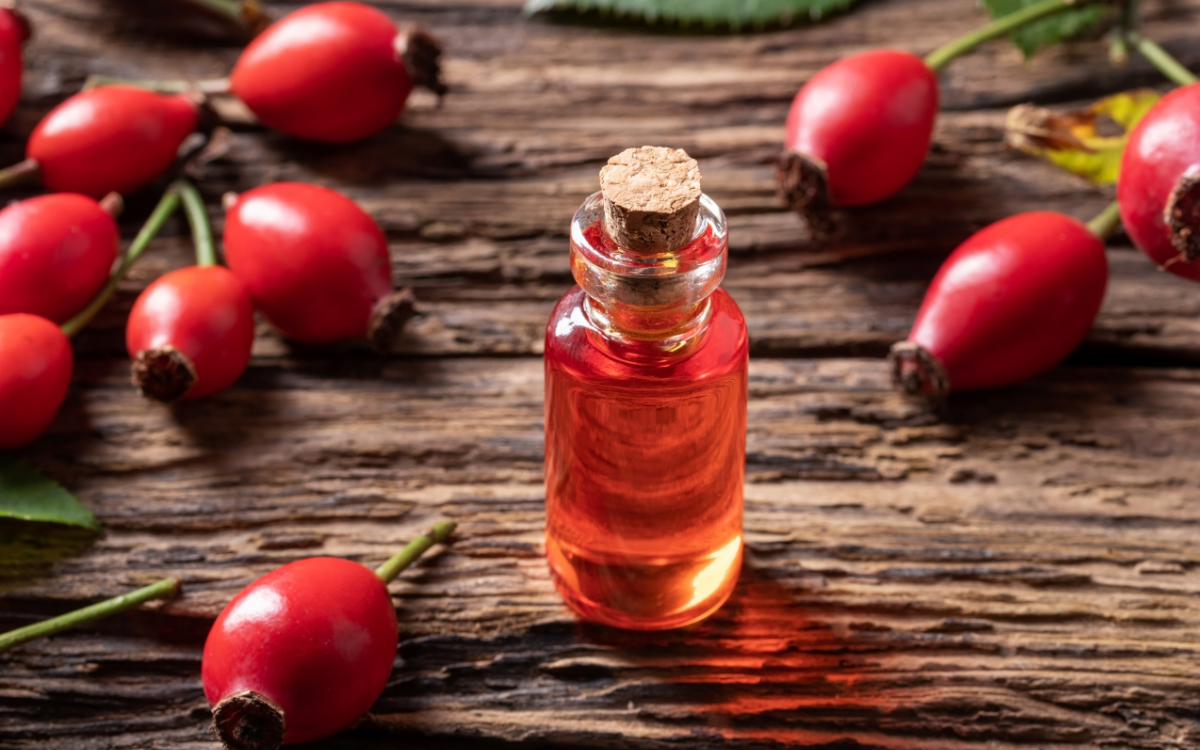
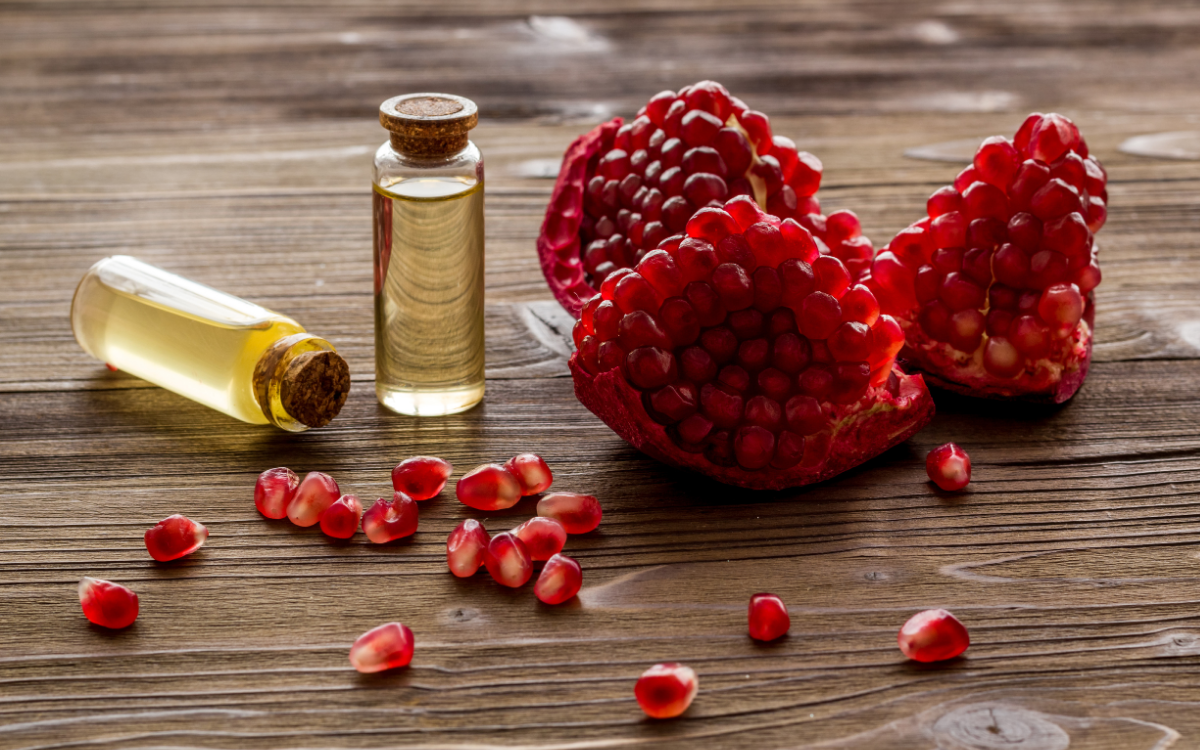
- Plant oils (Apricot Kernel, Argan, Baobab, Borage, Coconut, Evening Primrose, Grapeseed, Hemp, Jojoba, Meadowfoam, Moringa, Neem, Olive, Passionfruit, Pomegranate, Rice Bran, Rosehip, Safflower, Sesame, Soybean, Sunflower, and Sweet Almond)
- Fatty acids and esters
- Amino acids/Ceramides
- Alcohols (Stearyl and Cetyl)
Emollients vs. Moisturisers
While often used interchangeably, emollients are within ingredients used in moisturisers. Moisturisers also have other ingredients that draw water into the skin, while emollients focus on locking it in and keeping it soft.
Choosing the right emollient product
The best emollient for you depends on your skin’s needs and preferences. Here’s a breakdown of the three main types:
- Ointments: Highly moisturising and ideal for very dry skin, ointments are thick and greasy due to their high oil content. While effective, they can be messy and are best suited for nighttime use.
- Serums: Lighter than ointments, and mostly made of plant oils. They are good for the treatment of various skin conditions.
- Creams: Offering a balance of oil and water, creams are easier to spread and less greasy than ointments. They provide good hydration and are suitable for both day and night use.
- Lotions: Primarily water-based, lotions are the lightest choice and ideal for daytime use. However, they offer the least amount of moisture and require frequent reapplication.
How often should you use emollient products?
- For your body: The National Eczema Association (USA) recommends applying emollients within 3 minutes of showering or bathing to trap moisture in your skin. Healthline.com recommend applying emollients generously and often, typically 2-4 times a day, and increasing application during flare-ups or after washing the affected area.
- For your face: The above application frequency isn’t really possible for your face, especially if you wear make-up. So, we recommend using a fast-absorbing serum or light moisturiser before you apply your makeup. This also helps reduce the amount of foundation you need.
Conclusion
Regardless of the cause, emollients offer relief from uncomfortable symptoms like itching, cracking, and irritation. By finding the right emollient product and using it regularly, you can effectively soothe dry, itchy skin and restore its smooth, healthy appearance!
References
Beamwonder. (2020, Apr 20). Skin Ingredients for Winter Part 2: Emollients. Retrieved 05 26, 2024
Formula Botanica. (2023, Nov). Student Resources – Ingredients Directory.
Healthline. (2018, Sep 29). What’s the Best Way to Use an Emollient? Retrieved May 26, 2024
National Eczema Associaton (USA). (n.d.). Moisturizer and Lotion for Eczema: Everything You Need to Know. Retrieved May 26, 2024